The Slow Flower Movement: Cultivating Sustainability and Seasonality in Floristry
The bouquet on a supermarket shelf is often a global traveler, a product of an industrialized system that prioritizes uniformity, durability for shipping, and year-round availability over ecological responsibility. The majority of cut flowers sold in the U.S. are imported, often from South America, where their cultivation can involve significant pesticide use, high water consumption, and substantial carbon emissions from refrigerated air freight. The Slow Flower movement, inspired by the farm-to-table philosophy, challenges this status quo by championing flowers grown locally, in sync with the seasons, and with transparent, ethical practices. It is a call to reconsider the true cost of a flower and to realign our consumption with environmental and community health.
Embracing seasonal, local flowers offers a cascade of benefits that extend far beyond the vase. Locally grown blooms are typically harvested at their peak and sold within days, resulting in vastly superior fragrance, vitality, and vase life compared to flowers that have spent a week in transit. They also tell a story of place and time: the first fragrant sweet peas of spring, the bold sunflowers of high summer, the rich dahlias and branching asters of autumn. By choosing these, consumers directly support small-scale farmers, strengthen local economies, and preserve agricultural land and biodiversity. Furthermore, domestic flower farms are often subject to stricter environmental and labor regulations than some overseas operations, ensuring safer working conditions and reduced chemical runoff.
For the home enthusiast or event planner, participating in the Slow Flower movement requires a shift in mindset and sourcing. It means letting go of the expectation of finding any specific flower at any time of year and instead embracing the unique beauty of what is growing now. Seek out florists who proudly source from local farms, visit farmers' markets where flower growers sell their bounty, or consider joining a flower CSA (Community Supported Agriculture) for a regular share of seasonal stems. The designs that emerge from this constraint are often more creative, textured, and authentic, reflecting a genuine sense of time and place rather than a generic, globalized aesthetic.
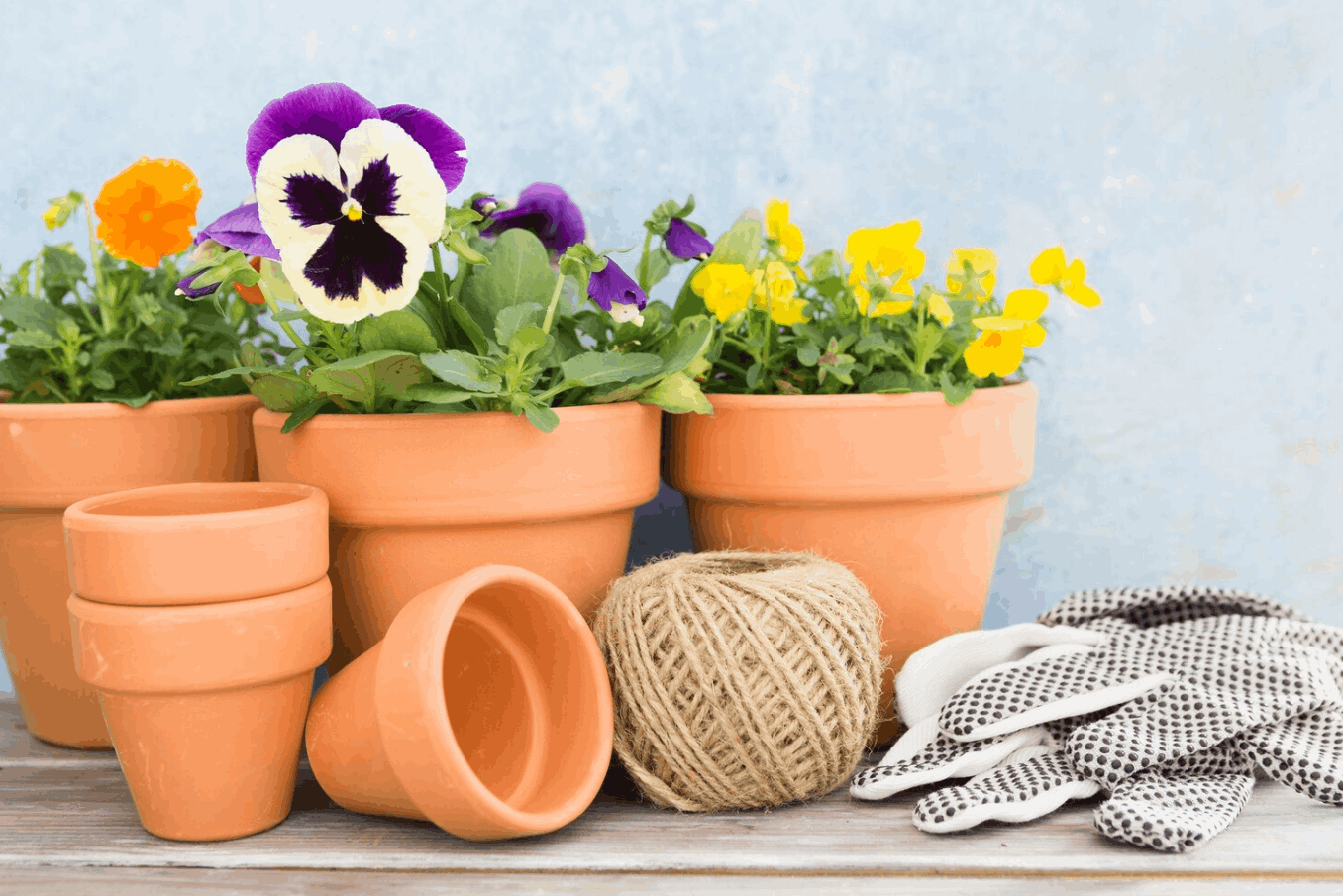
The movement also encourages gardeners to grow their own cutting gardens, even in small spaces, fostering the ultimate connection to the source of beauty. It promotes the use of unusual, heirloom, and native flower varieties that are not commercially viable for mass export but offer incredible charm and resilience. From a design perspective, seasonal work demands flexibility and creativity, pushing florists to become true artists who interpret nature's current offerings rather than assemblers of predictable, imported ingredients. This results in more unique, personal, and ecologically sound floral art.
Adopting a Slow Flower philosophy is a conscious choice to value provenance, seasonality, and sustainability in our pursuit of beauty. It re-frames flowers not as disposable commodities, but as agricultural products worthy of the same consideration we give to our food. It deepens our connection to the rhythms of nature, supports ethical labor, and reduces our environmental footprint. Each locally grown, seasonal bouquet becomes a small act of resistance against a wasteful system and a positive statement in favor of community, ecology, and truly fresh, fragrant beauty.