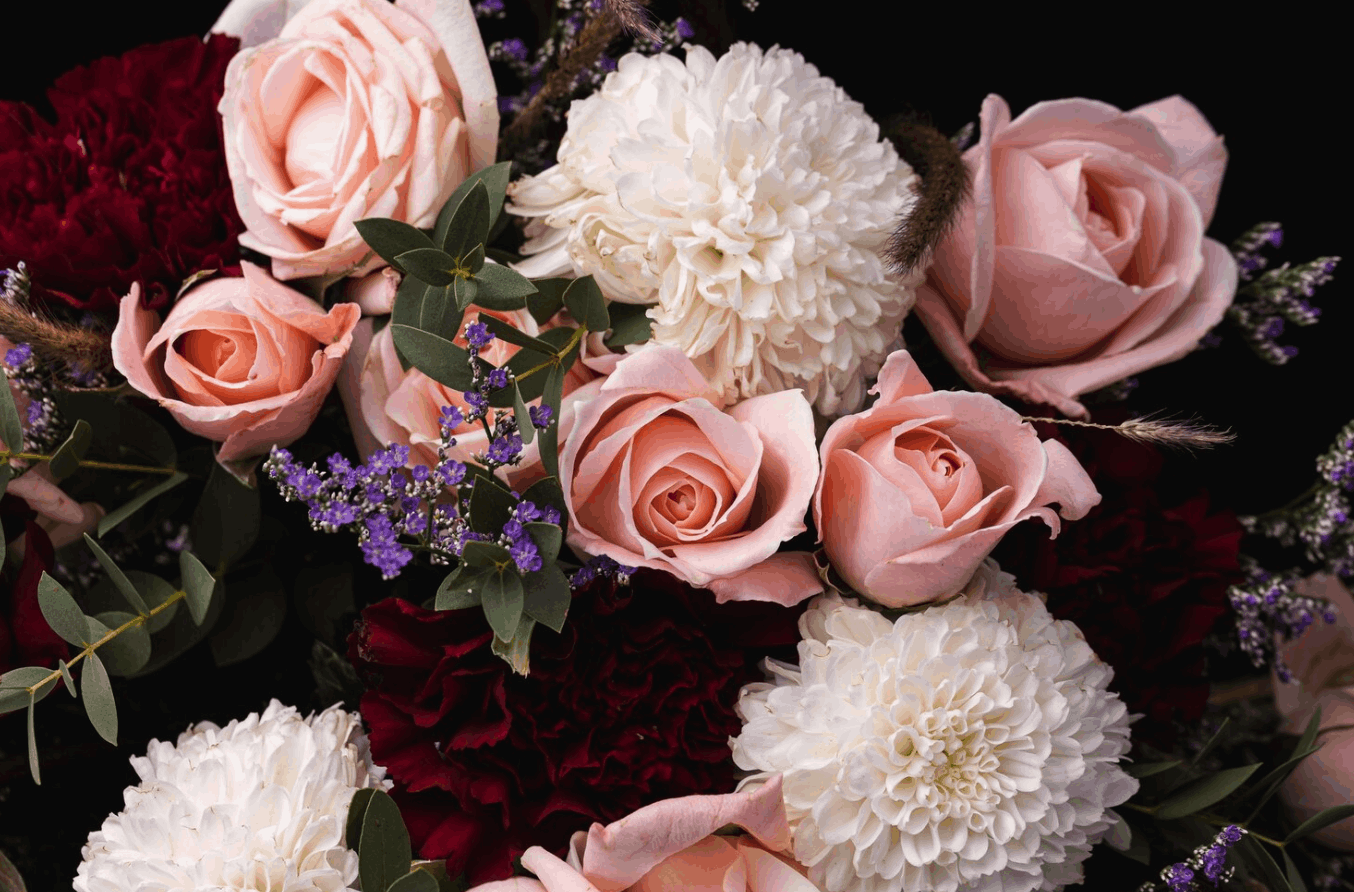
Floral Alchemy: The Science of Color, Scent, and Vase Life
The allure of a flower is a magnificent interplay of biology and chemistry, a suite of traits evolved for reproduction that humans have come to cherish aesthetically. At the heart of a flower's color are pigments housed within petal cells: anthocyanins (producing reds, purples, blues), carotenoids (yellows, oranges), and betalains (some reds and yellows). The specific hue we see is influenced by pH levels within the cell sap, the presence of metal ions, and even the microscopic structure of the petal surface, which can scatter light to create iridescent blues. Some flowers, like hydrangeas, famously change color based on soil aluminum availability and pH, offering a visible lesson in plant chemistry that gardeners can manipulate for dramatic effect.
Scent is perhaps the most evocative of a flower's properties, a complex bouquet of volatile organic compounds released to attract specific pollinators. A rose's fragrance is a blend of hundreds of chemicals, including geraniol and citronellol, while the intoxicating scent of night-blooming jasmine is designed to lure moths. This fragrance is not constant; it often follows a circadian rhythm, intensifying at the time of day when target pollinators are active. The production of these scent molecules is metabolically expensive for the plant, which is why many commercially bred flowers, selected for longevity and form, have tragically lost their fragrance—a trade-off between visual perfection and sensory depth. Understanding this can guide us to seek out heirloom or species varieties where scent remains a priority.
Once cut, a flower enters a race against time, and understanding the science of senescence (aging) is key to extending its vase life. The primary causes of wilting are water stress, due to blocked vascular tissues, and microbial growth in the water, which rots stems. Recutting stems underwater bypasses airlocks, while floral preservatives provide sugar for nourishment, acidifiers to improve water uptake, and biocides to limit bacteria. Some flowers, like orchids and carnations, are particularly sensitive to ethylene gas, a plant hormone that accelerates aging and is emitted by ripening fruit, cigarette smoke, and exhaust fumes—keeping them separate can significantly prolong their beauty.
We can apply this knowledge in practical ways to enhance our experience with cut flowers. To experiment with color, placing a white carnation in water with food coloring demonstrates vascular transport in real time. To maximize fragrance, place arrangements in warm, well-circulated rooms (without direct sun) and choose naturally fragrant varieties like stock, freesia, or garden roses. To fight bacteria, ensure vases are scaldingly clean and consider adding a drop of bleach (for clear vases) alongside commercial flower food. Avoiding placing your vase near a fruit bowl is a simple, science-backed trick for longevity.
Engaging with the science behind flowers does not diminish their magic; it amplifies it. Knowing that a flower's blue is a rare feat of cellular chemistry, its scent a precise chemical language, and its demise a predictable biological process allows us to become more attentive and effective stewards of their beauty. This knowledge empowers us to make better choices, from selecting blooms at the market to caring for them at home, fostering a deeper, more informed appreciation for these extraordinary, ephemeral works of nature.